
Creating a Meaningful Lifestyle: Simple Ways to Enjoy a More Balanced Life
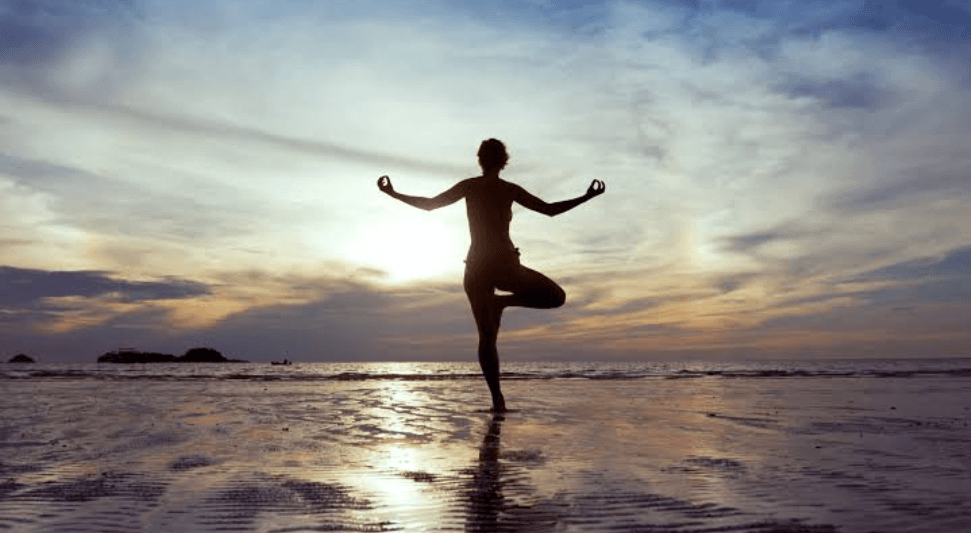
Lifestyle is shaped by the everyday decisions, habits, interests, and priorities that influence how people live. From morning routines and food choices to personal relationships and professional responsibilities, every aspect of daily life contributes to an individual’s overall experience. In a world where people constantly manage busy schedules and changing expectations, creating a balanced lifestyle has become more important than ever.
A meaningful lifestyle does not require expensive possessions, luxurious vacations, or a perfectly organized routine. Instead, it involves understanding personal needs, making thoughtful choices, and developing habits that support happiness, comfort, and personal growth.
Understanding What Makes a Lifestyle Meaningful
Everyone has a different idea of a satisfying life. Some people enjoy traveling and exploring unfamiliar places, while others find happiness in spending time with family, developing professional skills, or enjoying peaceful moments at home.
A meaningful lifestyle begins with recognizing what genuinely matters. Comparing personal achievements with the lives of others can create unnecessary pressure and dissatisfaction. Instead, individuals should focus on their own interests, responsibilities, and long-term aspirations.
Developing personal priorities makes everyday decisions easier and creates a stronger sense of direction.
Building a Morning Routine That Encourages Productivity
The way people begin their mornings can influence the rest of their day. A consistent morning routine provides an opportunity to prepare mentally and physically for upcoming responsibilities.
Simple activities such as making the bed, drinking water, stretching, enjoying a nutritious breakfast, and reviewing daily priorities can create a positive beginning.
Avoiding unnecessary phone usage immediately after waking up may also help reduce distractions. Rather than responding to every notification, individuals can spend their first few minutes focusing on themselves and their plans.
The best routine is not necessarily complicated. It is one that feels comfortable and can be followed consistently.
Finding Balance Between Work and Personal Life
Professional responsibilities often consume a significant portion of people’s time. Although career development is important, constantly working without sufficient relaxation can negatively affect relationships, motivation, and overall satisfaction.
Maintaining a reasonable separation between professional and personal activities helps create a healthier routine.
Setting realistic working hours, taking short breaks, and dedicating time to hobbies can improve everyday balance. Individuals should also recognize that productivity does not always mean completing more tasks. Sometimes, working efficiently and allowing time for recovery produces better results.
Developing a Personal Style That Reflects Individuality
Personal appearance is another part of lifestyle that allows individuals to express their identity. Clothing, accessories, grooming habits, and personal presentation can influence confidence and comfort.
Developing a practical wardrobe does not require purchasing every new fashion trend. Choosing versatile clothing, comfortable footwear, and colors that complement personal preferences can create a useful collection of everyday outfits.
Personal style should reflect individual taste rather than pressure from social media or changing fashion standards.
Taking care of clothing, maintaining personal hygiene, and choosing suitable outfits for different occasions can also contribute to a polished appearance.
Making Time for Health and Physical Wellness
A balanced lifestyle includes regular attention to physical health. Eating nutritious meals, drinking sufficient water, getting adequate sleep, and staying physically active are important everyday habits.
Physical activity does not need to involve expensive gym memberships. Walking, cycling, home workouts, swimming, and outdoor games can provide enjoyable ways to remain active.
People should also avoid ignoring rest and recovery. Maintaining a sustainable routine is more beneficial than following an extremely demanding schedule that becomes difficult to continue.
Exploring Hobbies and Creative Interests
Hobbies provide opportunities to relax, learn new skills, and discover personal interests outside professional responsibilities.
Reading, photography, gardening, cooking, painting, music, and creative writing are examples of activities that can make free time more enjoyable.
Trying something unfamiliar can also introduce new experiences and help individuals develop confidence. Even dedicating twenty minutes each day to a personal interest can create a positive difference over time.
Hobbies should be enjoyable rather than another source of pressure or competition.
Improving Relationships and Social Connections
Positive relationships are an important part of a fulfilling lifestyle. Family members, friends, colleagues, and supportive communities can provide encouragement, companionship, and emotional stability.
Maintaining strong connections requires attention and communication. Spending quality time together, listening carefully, expressing appreciation, and respecting personal boundaries can strengthen relationships.
It is equally important to create distance from consistently unhealthy interactions. Building a supportive social environment allows individuals to focus on personal development and emotional well-being.
Creating a Comfortable and Organized Living Environment
The environment in which people spend their time can influence their mood, productivity, and comfort.
Keeping living spaces clean, organizing frequently used belongings, improving lighting, and introducing natural elements can make everyday surroundings more pleasant.
Small changes such as arranging furniture, adding indoor plants, creating a reading corner, or maintaining a tidy workspace can improve the overall atmosphere.
An organized environment also reduces unnecessary distractions and makes daily activities easier to manage.
Practicing Financial Awareness in Everyday Life
Personal finances influence many lifestyle decisions. Developing responsible spending habits can reduce financial stress and create greater flexibility for future goals.
Creating a monthly budget, monitoring expenses, saving regularly, and avoiding unnecessary purchases are useful starting points.
Before purchasing something, individuals can consider whether it provides genuine value or simply satisfies a temporary desire. Making thoughtful financial decisions can help people enjoy their present lifestyle while preparing for future responsibilities.
Conclusion
A fulfilling lifestyle is not defined by popularity, wealth, or the number of possessions someone owns. It develops through everyday habits, meaningful relationships, personal interests, responsible decisions, and a healthy balance between different responsibilities.
Everyone can create a lifestyle that reflects their individual goals and circumstances. Small improvements in daily routines, physical wellness, personal organization, and financial awareness can gradually produce lasting benefits.
The real beauty of a meaningful life lies in enjoying ordinary moments, appreciating personal progress, and making choices that create a happier and more satisfying future.
One Comment